


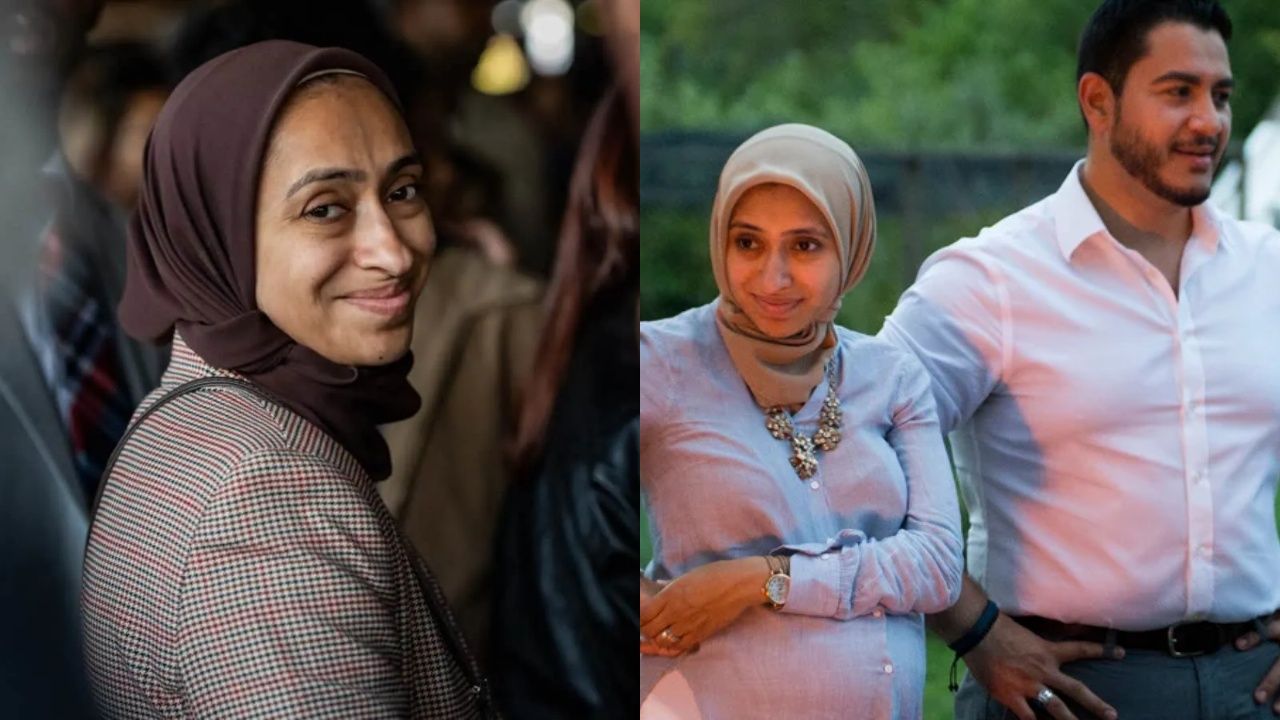
Sarah Jukaku, wife of Michigan Senator Abdul El-Sayed, is most accurately described as Indian-American: she was born and raised in Michigan to Indian immigrant parents, and her family traces its ancestry to Bhatkal, a coastal town in Karnataka’s Uttara Kannada district. Her father, Dr. Tayeb Jukaku, is a nephrologist from Bhatkal, and her grandfather J.H. Shamsuddin Jukaku was a prominent Bhatkal lawyer who served as deputy finance minister in the erstwhile Mysore State government. That lineage makes her ethnicity a matter of ancestry and family origin, not current citizenship: she is American by birth and upbringing, with South Indian roots.
More specifically, the Jukaku family is linked to the Nawayath community, an ancient Muslim merchant community along India’s south-western coast whose historical roots are tied to Arab, Yemeni, and Persian traders who settled in the region centuries ago. In Jukaku’s case, then, “Indian-American” is the broad label, while Nawayath and Bhatkal give that label its particular cultural and regional texture. Reports say her family moved to the United States in the 1980s after her father completed his medical training in India.
You Might Like: Is Hakeem Jeffries Muslim?
From Bhatkal to Michigan: The Family Geography of Identity
The Bhatkal connection is not a distant or vague claim. Sarah Jukaku’s grandfather, J.H. Shamsuddin Jukaku, is remembered in the town for his legal and political career, and the family maintained links to the region even as members moved elsewhere in India and overseas. Her father’s journey from Bhatkal to Michigan followed the familiar path of skilled Indian emigration: medical training in India, then migration to the United States, where he built a career as a nephrologist and became involved in Muslim community organisations.
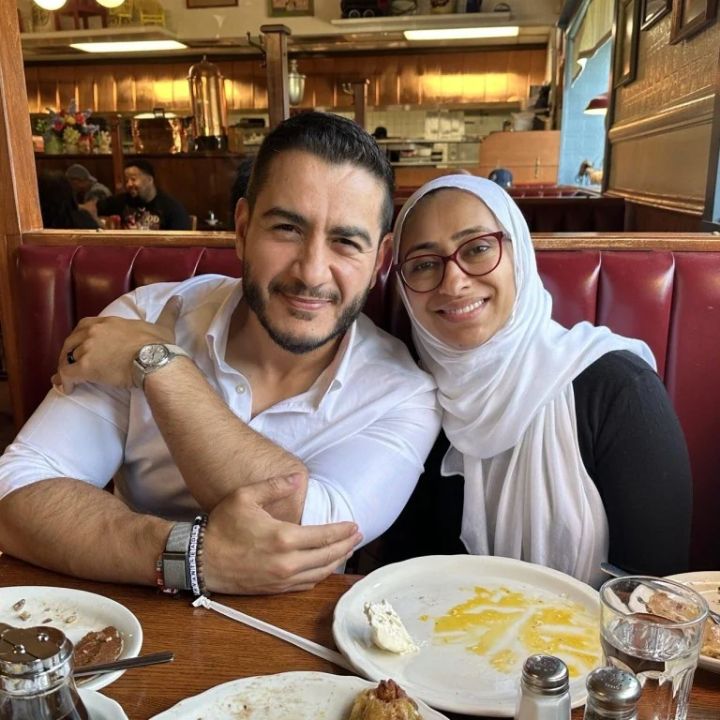
Sarah herself grew up in Michigan, attended the University of Michigan, studied at Oxford, and later became a psychiatrist. Her ethnicity, therefore, is best understood through family geography—coastal Karnataka on one side, the American Midwest on the other.
What “Indian-American” Means in Jukaku’s Case
Calling Jukaku “Indian-American” does not mean she is an Indian citizen or that she grew up in India. It means her ancestral, cultural, and familial identity is rooted in India, specifically in Bhatkal and the Nawayath community, while her national and social formation is American. That distinction matters because public discussion of her background often collapses ethnicity, nationality, and religion into one category.
Also See: Isa Casahuga Lemgruber’s Parents
Sarah Jukaku is a Muslim American woman of South Indian descent, married to Abdul El-Sayed, an Egyptian-American politician; their household has been described by El-Sayed himself as one in which South Indian family culture is deeply present. In short, her ethnic background is not a single box but a layered identity: Indian ancestry, Nawayath heritage, and American life.