


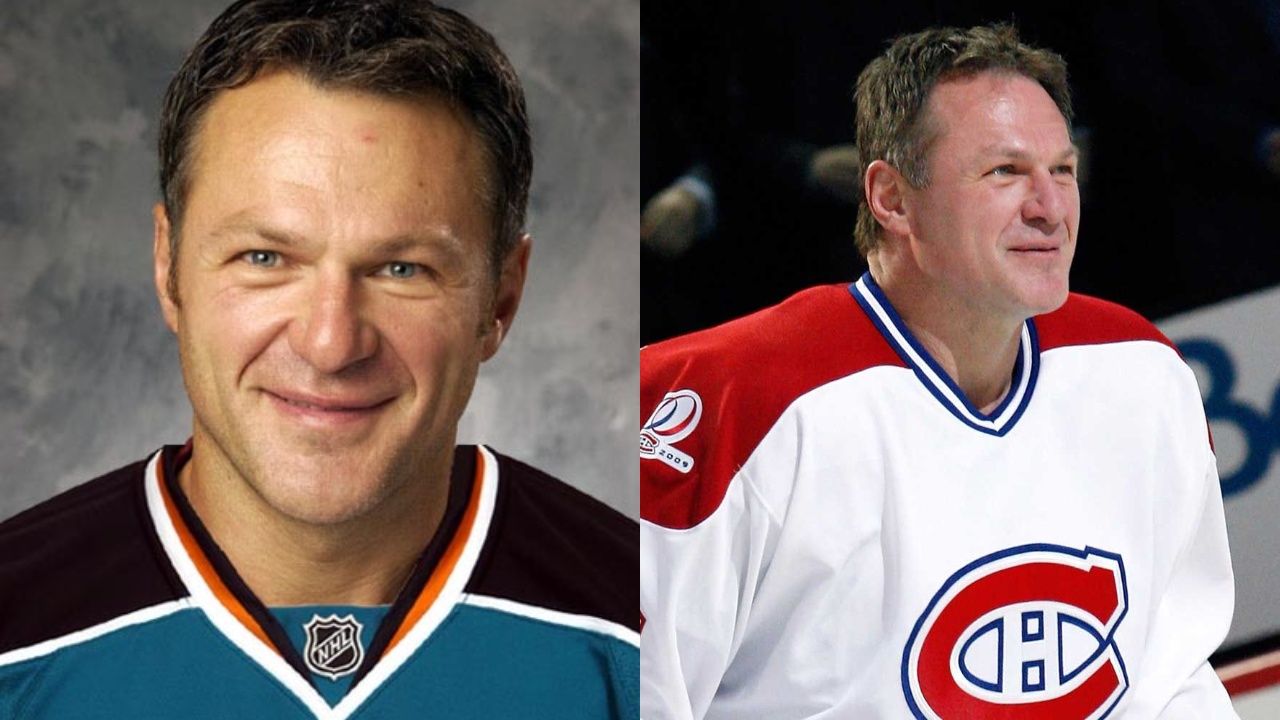
The hockey world was plunged into mourning on May 28, 2026, with the tragic news that legendary forward Claude Lemieux had passed away at the age of 60. The announcement by the NHL Alumni Association came just days after the four-time Stanley Cup champion had been honored at the Bell Centre in Montreal, where he carried the ceremonial torch onto the ice for Game 3 of the Eastern Conference Final. In a jarring turn of events, the same player celebrated for being one of the greatest clutch performers in NHL history was reported to have died by suicide, sending shockwaves through the sports community and leaving fans to grapple with the loss of a polarizing but undeniably fierce competitor.
The news of his unexpected death prompted an outpouring of tributes and a desperate search for answers, with many quickly turning their attention to the dark and complex issue of brain trauma in contact sports. For a player like Lemieux, whose 21-season career was defined by a grinding, physical style and an unyielding edge, the immediate question of why inevitably led to speculation about chronic traumatic encephalopathy (CTE) and the long-term mental health struggles faced by countless former athletes.
The Tragic Circumstances of His Passing
While an official cause of death was not immediately released by his family or the league, multiple reports, including from TMZ Sports and The Athletic, indicated that Lemieux’s death was a suicide. Citing law enforcement sources, reports detailed that deputies responded to a suicide attempt at a furniture showroom in Lake Park, Florida—a business Lemieux owned with his wife, Deborah.
Exclusive: Claude Lemieux died by suicide. https://t.co/1T7lEKO78e pic.twitter.com/Ge4GfKzMXr
— TMZ (@TMZ) May 28, 2026
According to TMZ, it was Lemieux’s son who discovered him at the family-owned business around 3 a.m. The Palm Beach County Medical Examiner’s Office confirmed his death but declined to release records, citing a Florida statute that exempts suicide cases from public records requirements. The tragic irony of his passing was impossible to ignore: a warrior who built a career on surviving the sport’s most punishing moments was found to be suffering from a battle he could not win alone, just days after a triumphant public appearance. His family, which includes his wife and four children, asked for privacy during their devastating time of loss.
You Might Like: Sean Evans & Keke Palmer: Just Friends or Secret Couple?
The Unanswered Question of CTE
The immediate and lingering question in the aftermath of such a tragedy is whether Lemieux’s death is linked to CTE, the degenerative brain disease linked to repeated head trauma. Given Lemieux’s role as a physical agitator—his 1,777 penalty minutes in the regular season and 529 in the playoffs are testaments to a career spent on the edge—the speculation is not without basis. The NHL has seen a growing number of former players diagnosed with CTE posthumously, including enforcers and stars alike, and Lemieux’s aggressive style fits a profile that raises immediate concern.
Claude Lemieux, who won the Stanley Cup four times during a memorable NHL career, has died, the NHL Alumni Association announced on Thursday. He was 60. https://t.co/08knQGG5X8
— ESPN (@espn) May 28, 2026
It is crucial to state that no official diagnosis has been made, and it would be premature to draw a direct line. However, his death renews the urgent conversation about the league’s historical handling of head injuries and the duty of care to its alumni. The most conclusive answer will only come if Lemieux’s family authorizes a post-mortem brain examination, a decision that lies solely with them. For now, the hockey world is left with the haunting possibility that the very fire that made Claude Lemieux a champion may have, in the end, consumed its keeper.
Also See: Who Is Will Levis’ Girlfriend in 2026? Inside His Relationship With Kaley Champion
To sum up, Claude Lemieux leaves behind a complicated legacy: a brilliant playoff performer, a Conn Smythe Trophy winner, and a fierce rival who was both loved and loathed. His sudden death at 60 serves as another painful reminder that the glory of the game often masks a far darker reality for those who gave their bodies to it. As the tributes continue and the investigations conclude, one hopes that his passing will contribute to a more open and supportive dialogue about mental health and the long-term consequences of playing a violent sport.