


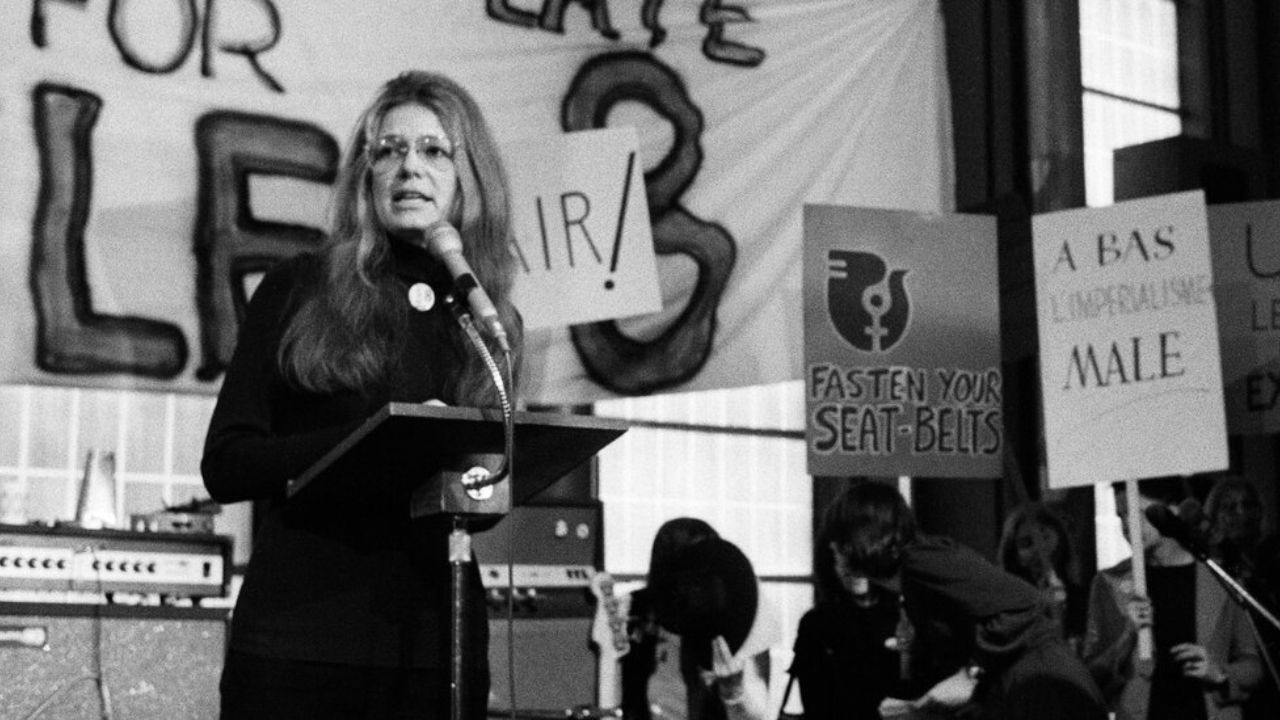
Gloria Steinem, the pioneering feminist journalist and co-founder of Ms. magazine, died on September 2, 2026, at her home in New York City at age 92. Her death has renewed interest in nearly every chapter of her extraordinary career—including one of the most controversial: her documented connection to a CIA-funded organization during the Cold War.
The controversy is often presented online as proof that Steinem was secretly a CIA operative who later infiltrated the feminist movement. The documented history is more complicated. Steinem did work for the Independent Research Service (IRS), an organization that received CIA funding and helped organize American participation in international youth festivals. However, available historical accounts do not establish that she was a CIA officer or that Ms. magazine was created as a CIA operation.
You Might Like: Did Miley Cyrus Attend Dolly Parton’s Funeral?
Gloria Steinem’s Connection to the CIA
Steinem’s involvement began after she returned from India in 1958. During the Cold War, the World Youth Festival movement was associated with communist governments, particularly the Soviet Union. Steinem became involved with the Independent Research Service, which encouraged young Americans—including liberal and non-communist students—to attend the festivals and present an alternative American perspective. She served as a full-time employee and director during the period surrounding the 1959 Vienna and 1962 Helsinki festivals.
The important point is that CIA financing was real. Contemporary reporting established that the agency was a major source of money for the Independent Research Service, while many participants reportedly did not know where the funding originated. Steinem herself acknowledged the relationship publicly in a New York Times interview published in February 1967, rather than the connection being discovered only decades later. She said she had known CIA money was involved and viewed the agency officials she encountered as liberal and willing to support Americans with differing political views.
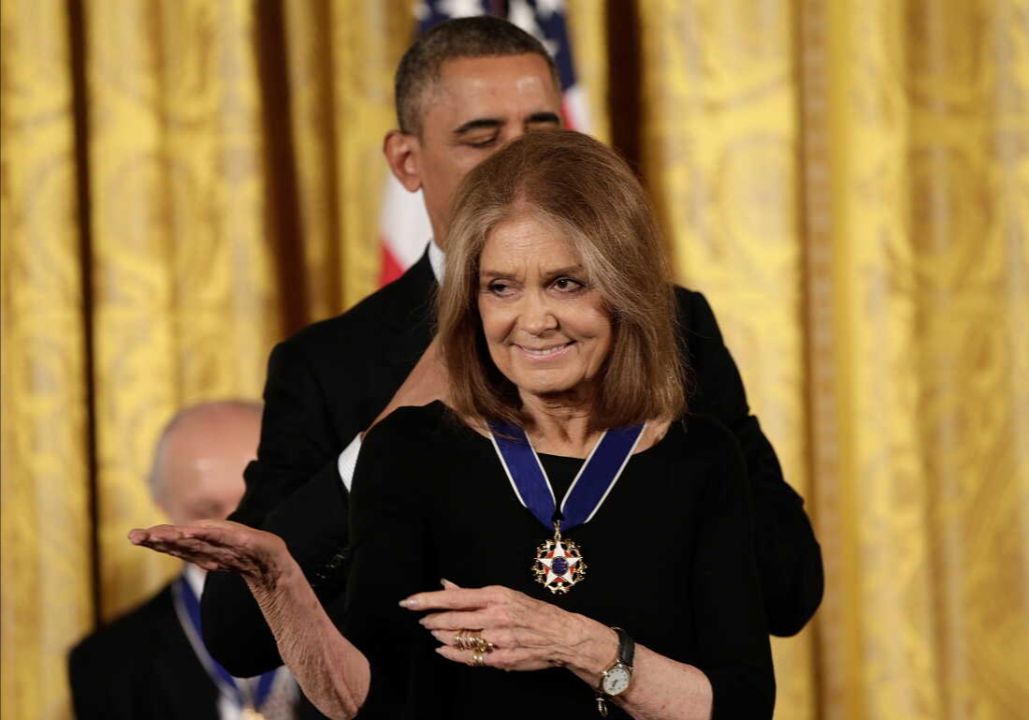
That explanation became controversial because the CIA was simultaneously engaged in covert Cold War activities around the world. In 1967, revelations about CIA funding of American student and cultural organizations generated widespread criticism. Steinem’s association therefore became an uncomfortable part of her biography, particularly after she emerged as one of America’s most recognizable feminist leaders.
The 1970s Controversy and What the Record Shows
The issue resurfaced much more forcefully in 1975, when the radical feminist group Redstockings accused Steinem of concealing aspects of her past relationship with the CIA. The group questioned whether her involvement had been more extensive than she acknowledged and raised broader concerns about government influence over political movements. Contemporary feminist debates over the CIA were particularly intense because activists were confronting documented government surveillance and disruption of radical organizations.
Steinem rejected the suggestion that she remained connected to the CIA or that she had subsequently worked as an intelligence asset. Historical records also show an important distinction between working for a CIA-funded organization and being a CIA employee. The former is documented; the latter has not been established by the evidence cited in major historical accounts. Likewise, claims that Steinem later used Ms. magazine to secretly gather intelligence for the CIA became part of the allegations surrounding the controversy, but those accusations were disputed and have not been substantiated as established fact.
Ultimately, the CIA episode remains a legitimate and uncomfortable part of Steinem’s early career. She knowingly worked with an organization that received CIA money, and she defended that decision when it first became public. But saying simply that “Gloria Steinem was a CIA agent” goes beyond what the documented record demonstrates. Her later decades were dominated by feminist journalism, political organizing and advocacy, including the creation of Ms. magazine and the National Women’s Political Caucus. Her death in 2026 has brought renewed scrutiny to both her achievements and controversies, ensuring that the CIA episode will remain part of the complicated historical legacy of one of America’s most influential feminists.