


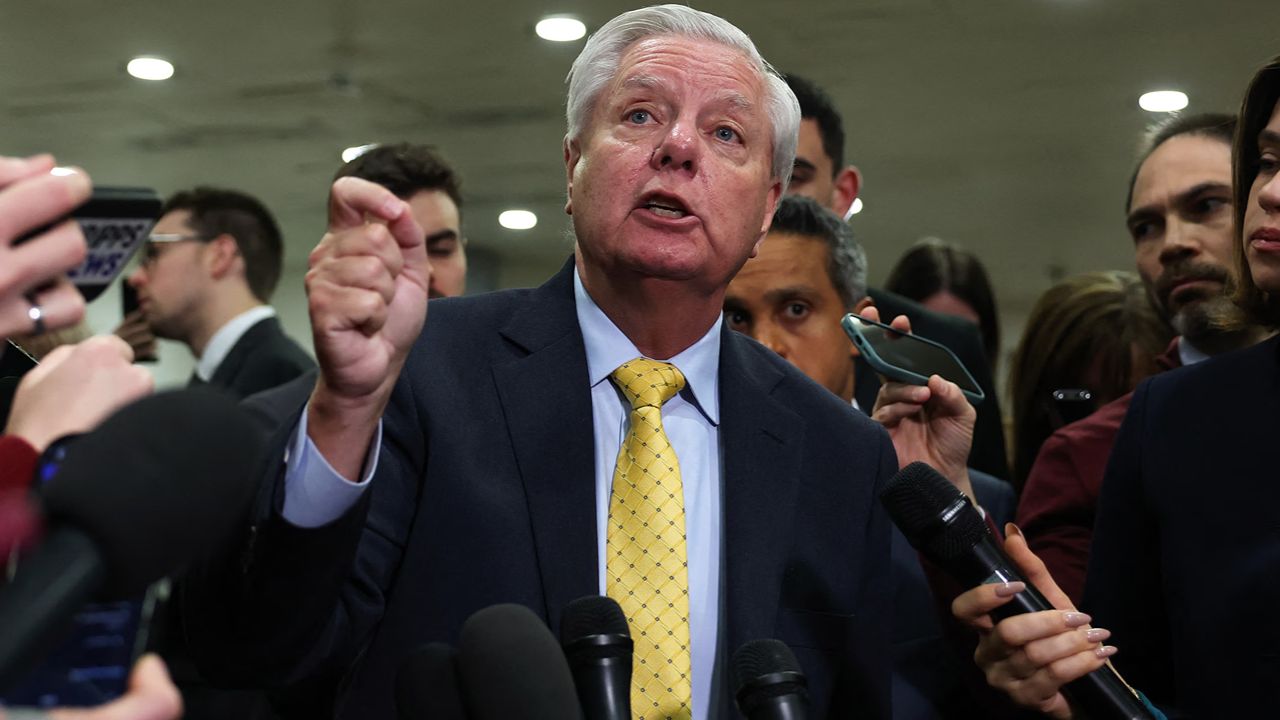
For decades, the question of Senator Lindsey Graham’s orientation existed in a peculiar space—simultaneously an open secret whispered in Washington corridors and a topic the mainstream media largely avoided. The South Carolina Republican, who died suddenly on July 12, 2026, at age 71, never married, had no children, and was never publicly linked to any romantic partner.
These biographical facts, combined with his decades-long record of opposing LGBTQ+ rights, created a persistent and uncomfortable paradox that fueled endless speculation. Graham himself repeatedly and emphatically denied being gay, once joking that while he was sure it would “upset a lot of gay men,” he simply “ain’t gay.” Yet the rumors never dissipated, culminating in a 2025 deposition where a prominent Trump ally testified under oath that the senator’s sexuality was “well-known” among the president’s staff.
The persistence of these rumors speaks to a broader cultural and political tension, one that Graham’s own legislative career only intensified. As a senator who voted against marriage equality, workplace protections for LGBTQ+ people, and open military service, he became a target for critics who saw his public policy as a stark contrast to his private life. This dynamic turned his personal life into a political weapon, used by both his enemies and, at times, his own allies. The story of Lindsey Graham’s sexuality is not just about one man’s private life; it is a story about the intersection of personal identity, public service, and the often-hypocritical nature of American politics.
The Persistent Rumors and Public Denials
The speculation surrounding Lindsey Graham was fueled by a series of public incidents and unverified allegations. In 2018, comedian Chelsea Handler sparked a firestorm by tweeting a pointed message to Graham on National Coming Out Day, a move he publicly denounced. More significantly, in 2020, a gay adult film star made unsubstantiated claims on social media that Graham had hired male escorts, causing the hashtag #LadyG to trend and further embedding the rumors in the public consciousness.
JUST IN: 🇺🇸 US Senator Lindsey Graham dies following sudden heart attack. pic.twitter.com/OyewlK67tx
— BRICS News (@BRICSinfo) July 12, 2026
Throughout these episodes, Graham’s responses were consistent. In a 2010 New York Times profile, he dismissed a Tea Party speaker’s insinuation with sarcasm, stating, “I ain’t gay. Sorry.” When asked about his bachelor status during his 2016 presidential run, he offered a more personal explanation, citing the early death of his parents and his responsibility for his sister as reasons he had not married. Despite these explanations, the lack of any public romantic relationships kept the gossip alive, with many viewing his denials as a necessary political stance in a conservative state rather than a reflection of his true self.
The 2025 Deposition and a Legacy of Contradiction
The rumors reached a new level of legal and political significance in 2025 when far-right activist Laura Loomer, during a deposition in her defamation lawsuit against HBO, stated that Graham was gay and that it was “well-known” among Donald Trump’s staff. Loomer, who had previously posted about Graham’s sexuality on social media, testified that she had been told this in confidence by several of the president’s staff members. Her comments, made under oath, reignited the debate, though she offered no independent evidence to substantiate the claim.
Loomer’s testimony was a pivotal moment, transforming a long-standing rumor into a matter of public record, even if its veracity remained unproven. Graham’s death just a year later has left the question unanswered, cementing his legacy as a complex and contradictory figure—a man who championed conservative causes while his personal life remained the subject of relentless, and often homophobic, speculation.