


In plain English, a dirty bomb is a crude device that pairs ordinary explosives—such as dynamite or TNT—with radioactive material. When detonated, the blast does not create a nuclear chain reaction; instead, it scatters radioactive dust, debris, and smoke across the surrounding area. The term is informal, but the technical name is radiological dispersal device (RDD). A dirty bomb is therefore not a nuclear weapon: it cannot produce the catastrophic blast, heat, or fallout of an atomic bomb, and it does not require enriched uranium or plutonium.
The core meaning is about contamination, not mass destruction. The explosion itself is conventional and can injure or kill people nearby, but the radioactive material is generally not concentrated enough to cause immediate severe radiation sickness in most survivors. The weapon’s real power lies in disruption: it can contaminate buildings, streets, and water supplies, force evacuations, trigger panic, and impose costly cleanup burdens. For this reason, analysts often call dirty bombs “weapons of mass disruption” rather than weapons of mass destruction.
You Might Like: How Old Was Daniel Craig in Casino Royale?
What Wikipedia and Standard Definitions Emphasize
Wikipedia describes a dirty bomb as a speculative radiological weapon that combines radioactive material with conventional explosives. Its stated purpose is to contaminate the area around the explosion with radioactive material, functioning “primarily as an area denial device against civilians.” The entry also stresses a crucial distinction: a dirty bomb should not be confused with a fission bomb, because the explosive energy comes from conventional chemicals, not from nuclear reactions. Wikipedia further notes that at levels likely to be used by non-state actors, the radiation exposure would be “fairly high” in an uncleaned area but generally not fatal, reinforcing that psychological harm and economic paralysis are the weapon’s more realistic aims.
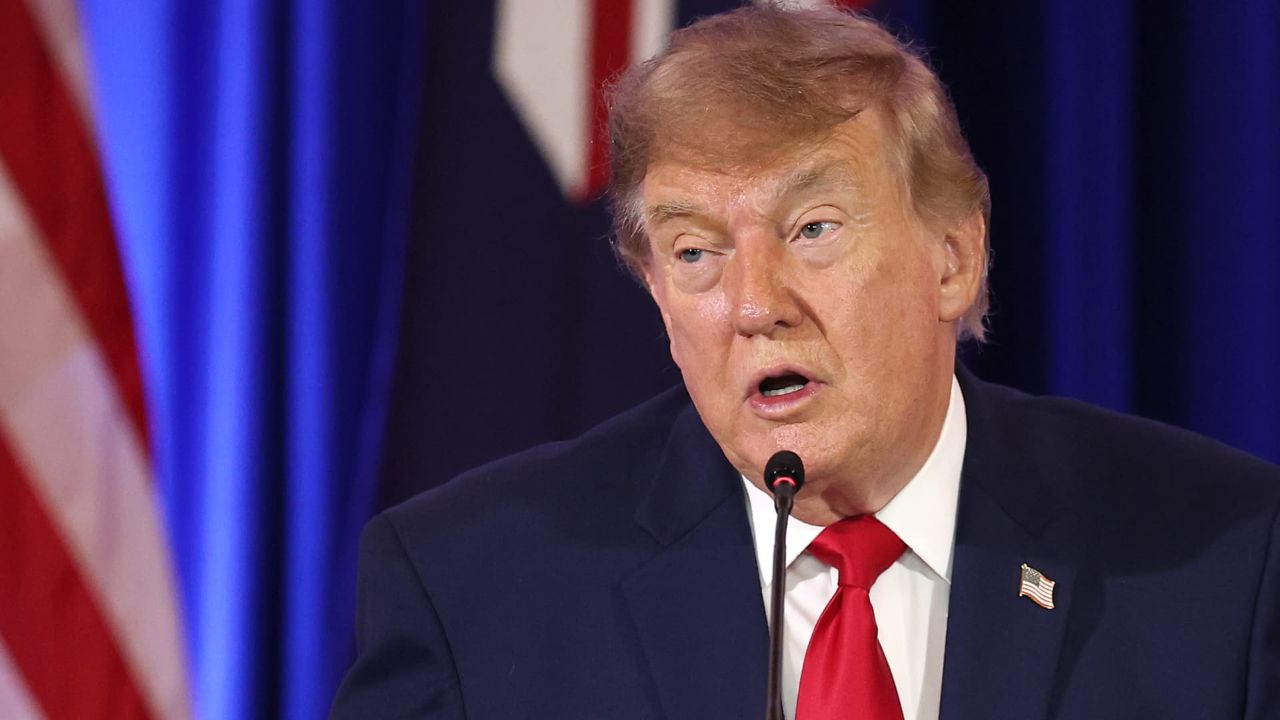
President Donald Trump said the U.S. is taking seriously reports of a potential Iranian plot to detonate a “dirty bomb” in Washington, D.C., when asked about the alleged threat on Tuesday.
Trump warned that Iran would “pay a price the likes of which no country has ever paid… pic.twitter.com/srx8l5Iz3a
— CBS News (@CBSNews) November 17, 2026
Standard reference definitions align with this. Britannica defines a dirty bomb as an explosive device combining conventional explosives like dynamite or TNT with radioactive material, noting that it is easier and cheaper to build than a nuclear weapon because it can use radioactive sources from medicine or industry. The U.S. Centers for Disease Control and Prevention (CDC) similarly explains that a dirty bomb uses explosives to scatter radioactive dust, smoke, or other material, and that the immediate danger is usually the conventional blast rather than acute radiation exposure.
Why the Term Matters in 2026
The phrase has resurfaced in recent news: in November 2026, reports of an alleged Iranian plan to potentially use a dirty bomb in Washington, D.C., renewed public attention to the concept. U.S. officials said no credible threat to the homeland was known at the time, but the episode illustrated how quickly the term can generate alarm disproportionate to the weapon’s likely physical effects.
Also See: Is Sean Duffy a Republican?
Experts emphasize that no dirty bomb has ever been successfully detonated, and that its chief hazard remains the conventional explosion plus the chaos, fear, and costly decontamination that follow. Understanding the accurate meaning—both in everyday English and through reference definitions like Wikipedia’s—helps separate a genuine radiological dispersal device from a true nuclear weapon, and replaces panic with proportionate preparedness.